
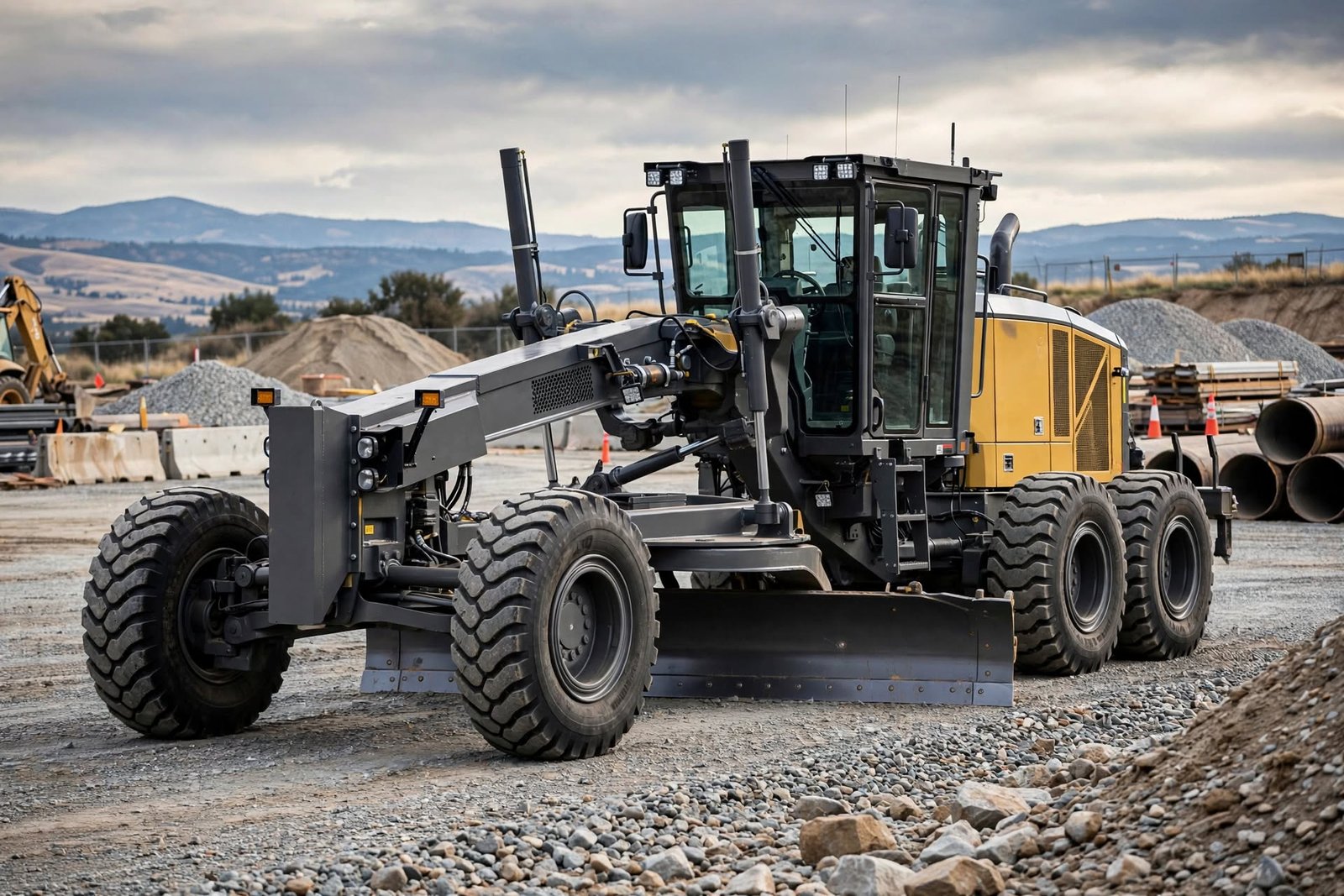
New Motor Grader Price Guide starts with a warning. The sticker price lies. That shiny machine sitting on the dealership floor shows one number. A big number. Scary enough on its own. But that number represents maybe sixty percent of the actual cost. Maybe less.
Table of Contents
- 1. Freight and Delivery Charges
- 2. Dealer Preparation and Setup
- 3. Warranty and Extended Protection Plans
- 4. Attachment and Implement Costs
- 5. Technology and GPS Integration
- 6. Financing and Interest Rate Hidden Charges
- 7. Parts and Consumables Starter Kit
- 8. Training and Operator Orientation
- 9. Emissions Compliance and DPF Systems
New Motor Grader Price Guide reveals the truth. Dealerships advertise base models. Bare bones machines. No options. No attachments. No delivery charges. No setup fees. The price looks competitive. The buyer feels excited. Then the hidden fees start appearing. One by one. Line by line. Each one increases the budget. Each one catches buyers off guard.
Here is the reality that our New Motor Grader Price Guide uncovers. Buying a new motor grader in 2026 involves far more than the manufacturer’s suggested retail price. Nine hidden fees lurk beneath that glossy brochure. Nine budget busters waiting to strike. This guide exposes every single one.
Freight and Delivery Charges
As noted in the New Motor Grader Price Guide, the machine sits at the factory. The buyer sits at the job site. Distance separates them. Thousands of miles. Moving that 40,000-pound machine across the country costs real money.
Freight charges rarely appear in the initial quote. Salespeople mention them casually. “Oh, there will be shipping costs.” No number attached. No estimate provided. Then the invoice arrives. Five thousand dollars. Eight thousand. Sometimes fifteen thousand for cross-country deliveries.
New Motor Grader Price Guide emphasizes this hidden fee upfront. Ask for the exact freight cost before signing anything. Get it in writing. Negotiate it. Some dealers absorb freight costs during promotional periods. Others split the difference. But buyers who never ask pay the full amount.
Specialized lowboy trailers transport graders. Oversize permits required. Escort vehicles necessary. Route surveys mandatory. All these costs get passed directly to the buyer. No negotiation after delivery. The machine arrives. The bill comes. The budget hurts.
Dealer Preparation and Setup
Assembly required. Some assembly anyway. The grader arrives partially disassembled. Wheels need mounting. Hydraulic lines need connection. Batteries need installation. Fluids need filling.
Dealers charge for this. Preparation fees range from $1,500 to $4,000 depending on the machine size and complexity. The charge appears as “PDI” on the invoice. Pre-Delivery Inspection. Sounds official. Sounds necessary. It is necessary. But the price often gets inflated.
New Motor Grader Price Guide advises buyers to question PDI charges. Request an itemized breakdown. Labor hours multiplied by shop rate. Parts and consumables listed separately. Transparent dealers provide this information willingly. Shady dealers hide it in the fine print.
Some buyers negotiate PDI fees into the overall discount. The dealer absorbs the cost to close the deal. Other buyers arrange their own preparation. Experienced mechanics handle the setup. Saves money. Requires coordination. Possible but not always practical.
Warranty and Extended Protection Plans
According to the New Motor Grader Price Guide, base warranty included is often just standard coverage. Limited terms. Expensive components excluded. Wear items excluded. Consumables excluded.
Extended warranties cost extra. Thousands extra. Dealership finance managers push these plans aggressively. High profit margins. Commission-based sales. The buyer feels pressured. The budget inflates.
New Motor Grader Price Guide recommends careful evaluation. Extended warranties make sense for some operations. High-hour applications benefit from protection. Low-hour operations waste money on unnecessary coverage.
Read the fine print. Extended warranties exclude many components. Hydraulic pumps sometimes covered. Hydraulic hoses never covered. Engines covered. Turbochargers sometimes excluded. Transmission covered. Torque converter excluded.
Compare third-party warranty options. Independent providers offer competitive rates. Better coverage terms. Lower deductibles. Dealership warranties lock buyers into dealer service networks. Independent plans allow service at any qualified shop.
Attachment and Implement Costs
Base machine includes nothing. No blade. No ripper. No scarifier. No dozer blade attachment.
Everything adds cost. The moldboard itself comes standard. But the cutting edge? Optional. End bits? Optional. Ripper shanks? Optional. Front push block? Optional.
New Motor Grader Price Guide warns buyers about attachment pricing. These items carry massive markups. Dealerships charge premium prices for factory attachments. Aftermarket suppliers offer equivalent quality at thirty to forty percent less.
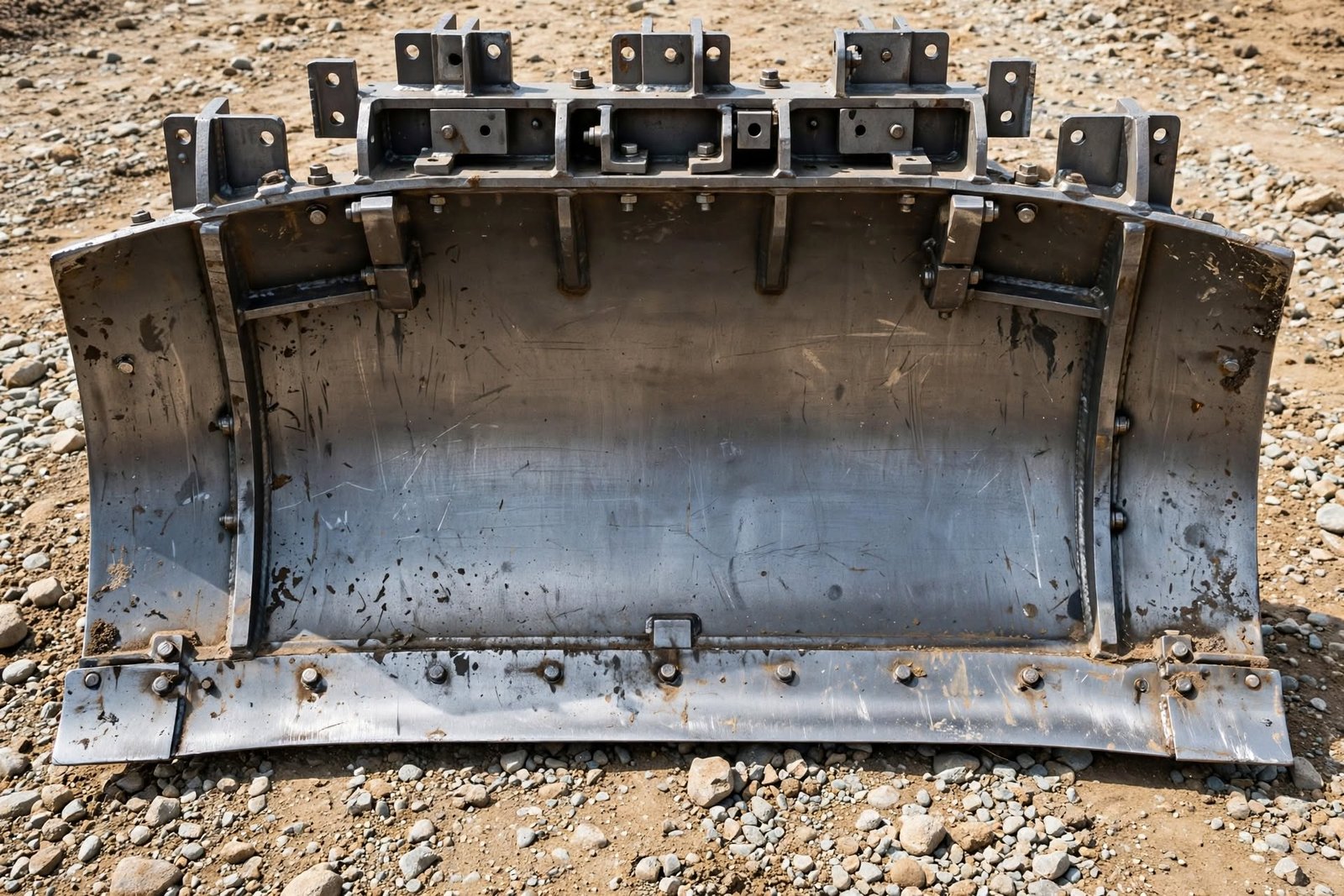
A complete ripper system adds $8,000 to $12,000. Scarifier attachment another $5,000. Snow plow conversion kit $3,000. Quick-coupler system $4,500. These numbers accumulate quickly.
Buyers who fail to specify attachments during negotiation pay full retail prices. Buyers who bundle attachments into the total machine purchase receive discounted package pricing. The difference amounts to thousands of dollars.
Technology and GPS Integration
The New Motor Grader Price Guide shows that modern graders come with technology options. GPS receivers. Laser systems. Slope control. Cross-slope sensors. Auto-blade controls. 3D machine guidance.
None of these come standard. All of them cost extra. Significant extra.
Base technology package runs $15,000. Full 3D GPS integration exceeds $35,000. Dual-receiver systems with RTK correction approach $50,000. The machine price jumps dramatically.
New Motor Grader Price Guide addresses this hidden fee honestly. Technology pays for itself in productivity gains. But the upfront cost stings. Many buyers receive technology quotes separately from the machine quote. They think the machine price includes guidance. It does not.
Some dealers offer technology bundle discounts. Purchase the machine and guidance system together. Receive a package discount of five to ten percent. Not huge but meaningful. Other dealers require separate purchases. No discount available.
Lease technology separately. Avoid financing technology over the full machine term. Technology upgrades happen every two to three years. Financing over seven years leaves buyers paying for obsolete equipment.
Financing and Interest Rate Hidden Charges
Financing seems straightforward. Principal plus interest. Monthly payments. Simple math.
Not simple at all. Dealership finance departments add hidden charges. Origination fees. Documentation fees. Processing fees. Underwriting fees. Each charge adds hundreds of dollars to the total cost.
New Motor Grader Price Guide exposes these tactics. Compare dealer financing with third-party lenders. Credit unions offer better rates. Agricultural lenders understand equipment financing. Bank commercial divisions compete for business.
Interest rate markup happens frequently. The dealer secures financing at six percent. They offer the buyer seven and a half percent. The difference goes to the dealership as profit. Thousands of dollars over the loan term.
Prepayment penalties exist in many contracts. Pay off the loan early. Face penalty charges. The buyer saves interest but pays fees. Net benefit disappears.
Request total cost of financing. Not just monthly payment. Total dollars paid over the full term. Compare across multiple lenders. The differences shock most buyers.
Parts and Consumables Starter Kit
When the new machine arrives, the New Motor Grader Price Guide reminds us that there is nothing else. No spare parts. No consumables. No filters. No lubricants.
Dealerships sell starter kits. Box of essential parts. Filters. Belts. Hoses. Fittings. Grease fittings. Blade bolts. The kit seems convenient. The kit costs double retail.
New Motor Grader Price Guide recommends independent sourcing. Purchase filters from aftermarket suppliers. Half the price. Same quality. Buy grease and lubricants in bulk. Lower unit cost. Source blade bolts from industrial fastener suppliers. Fraction of dealership pricing.
Dealership parts departments carry inventory. Their overhead costs reflect in pricing. High markups cover showroom expenses. Service department wages. Administrative costs. Buyers pay for all of it through parts pricing.
Some buyers negotiate starter kits into the initial purchase. Free kit included. Dealers have room to provide these concessions. But buyers must ask. Aggressive negotiation yields results. Passive acceptance yields inflated budgets.
Training and Operator Orientation
New machine requires training. Operators unfamiliar with the controls. Maintenance staff needs orientation. Service procedures differ from older models.
Dealerships offer training packages. On-site instruction. Classroom sessions. Hands-on practice. Professional trainers. The service costs money. $2,500 to $5,000 depending on duration and location.
New Motor Grader Price Guide highlights this overlooked fee. Training improves safety. Reduces damage. Extends equipment life. Essential for successful operation. But the cost rarely appears in initial quotes.
Some buyers assume training included. Not true. Dealerships charge separately. Some include basic orientation free. Comprehensive training costs extra.
Alternative approaches exist. Hire independent trainers. Experienced operators. Lower hourly rates. Greater flexibility. Manufacturer training centers offer courses. Travel costs involved but total expense often lower than dealership on-site training.
Train the trainer approach works for larger fleets. Send one experienced mechanic to manufacturer training. That person trains all other staff. One training expense covers the entire organization.
Emissions Compliance and DPF Systems
Tier 4 emissions regulations apply to new graders. Diesel particulate filters. Exhaust aftertreatment. DEF fluid systems. These components increase purchase price. Substantially.
The base machine price includes emissions equipment. But ongoing compliance costs remain hidden. DEF fluid consumption adds operating expense. DPF regeneration fuel consumption increases fuel usage. Maintenance intervals shorten due to aftertreatment system requirements.
New Motor Grader Price Guide addresses these hidden lifetime costs. The purchase price shows one number. The five-year operating cost shows a different number. Much higher number.
Some regions impose additional emissions fees. California requirements exceed federal standards. Machines operating in California require special configurations. Additional costs apply. Buyers in other states sometimes pay for California-compliant machines unnecessarily. Dealerships stock regional inventory. Buyers pay for features they do not need.
Request emissions specifications clearly. Ensure the machine meets regional requirements. Avoid paying for unnecessary compliance features. The savings amount to several thousand dollars.
Real-World Budget Impact
If you combine these nine hidden fees from the New Motor Grader Price Guide, the total exceeds expectations significantly.
Base machine price: $250,000. Sounds reasonable. Add freight: $8,000. Preparation: $3,000. Extended warranty: $12,000. Attachments: $15,000. Technology: $25,000. Financing fees: $4,000. Parts kit: $2,500. Training: $3,500. Emissions compliance: $5,000.
Total delivered and operational cost: $328,000. Almost $80,000 above the sticker price. Nearly thirty percent increase.
New Motor Grader Price Guide helps buyers anticipate these costs. Budget accurately. Avoid surprises. Negotiate effectively.
Using the New Motor Grader Price Guide, successful buyers negotiate each line item individually. They do not accept combined packages. They question every charge. They compare competitor quotes. They leverage multiple dealerships against each other.
New Motor Grader Price Guide empowers buyers with this knowledge. Informed buyers make better decisions. They save thousands. They avoid budget overruns. They purchase machines confidently.
Conclusion
A new motor grader represents a massive investment. The base price captures attention. The hidden fees capture budgets. Nine fees lurk beneath the surface. Freight charges. Preparation fees. Warranty costs. Attachment prices. Technology expenses. Financing markups. Parts kit premiums. Training expenses. Emissions compliance additions.
New Motor Grader Price Guide exposes every single fee. Buyers who understand these costs negotiate better deals. They allocate budgets correctly. They avoid financial surprises. They maximize value from every dollar spent.
The machine itself remains essential. The pricing structure remains complex. Awareness remains the buyer’s best defense. Study these hidden fees. Question every charge. Compare every option. The savings justify the effort.
New Motor Grader Price Guide serves as the buyer’s roadmap. Follow this guide. Ask the right questions. Secure the best possible price. Purchase with confidence. The 2026 budget stays intact. The new grader arrives. Productivity increases. Costs remain controlled.
One Comment